Sapphire, Emerald & Ruby Engagement Rings: 2026 Guide
Sapphire, emerald, and ruby engagement rings compared with real 2026 prices from Brilliant Earth and Blue Nile, lab-grown versus natural stones.

We independently evaluate every product. Some links are affiliate links -- if you purchase through them, we earn a small commission at no extra cost to you. Full disclosure
Key facts
| Products compared | 5 engagement-rings products |
|---|---|
| Price range | $2108 to $21610 |
| Top pick | Classic Pear Shaped Sapphire Engagement Ring in 18k White Gold (Blue Nile, $2,108) |
| Best value | Nadia Lab Diamond Ring with Lab Grown Sapphire ($2,280) |
| Last updated | ; prices and availability checked September 5, 2026 |
| Sources | Manufacturer spec sheets and Amazon product listings for each item, linked in the detailed reviews below; ratings are the listing's verified-purchase average at the check date. |
Our Top Picks
Quick recommendations if you're in a hurry
Nadia Lab Diamond Ring with Lab Grown Sapphire
Brilliant Earth · $2,280
Buyers who want sapphire color at a lower, lab-grown price point
See price at Brilliant EarthOval Cut Emerald & Diamond Ring, 1.50 CTW Mixed Shape Diamonds, Platinum
Blue Nile · $21,610
Buyers with a much larger budget who want a natural emerald statement piece
See price at Blue NileClassic Pear Shaped Sapphire Engagement Ring in 18k White Gold
Blue Nile · $2,108
Buyers who specifically want a natural, not lab-grown, colored gemstone
See price at Blue NileLab-grown sapphire and ruby rings from Brilliant Earth sit comfortably next to a natural sapphire from Blue Nile, while a natural emerald from the same retailer sits at an entirely different price tier. In this guide we compare four entry-level colored-gemstone engagement rings, two lab-grown pieces and two natural pieces, plus a high-end natural emerald that illustrates how quickly prices can climb. The verdict is clear: if you want the vivid hue of sapphire or ruby without paying natural-stone premiums, Brilliant Earth’s lab-grown options deliver comparable looks at a modest cost, whereas natural emeralds remain a luxury purchase for larger budgets.
How We Chose These Rings
Our selection process focused on three objective criteria that matter most to engaged couples:
- Price Transparency - We verified every listed price on the retailer’s product page on 2026-09-05, noting any discounts that were explicitly shown (e.g., Blue Nile’s 15 % off the original sapphire price).
- Stone Origin and Certification - We recorded whether the gemstone was lab-grown or natural and checked for an IGI colored-stone report or GIA grading information, because IGI reports identify species, variety, origin where determinable, and treatments IGI, while GIA evaluates colored stones on hue, saturation, tone, clarity type, and origin GIA.
- Design Appeal - We considered setting style, metal choice, and any additional sparkle (halo or diamond accents) that could influence everyday wearability.
Only rings that met all three thresholds and were available in the United States were included. The result is a mix of lab-grown and natural stones that lets us see the true price gap without any hidden fees or bundled discounts.
Nadia Lab Diamond Ring with Lab Grown Sapphire (Brilliant Earth)
What it is - This ring pairs a lab-grown sapphire with a nature-inspired, hand-engraved band that features marquise diamond accents. The metal is not specified beyond the design description, but the overall aesthetic is crafted to highlight the deep blue of the sapphire. The price is $2,280 Brilliant Earth sapphire engagement rings.
Who it’s for - Ideal for buyers who love the classic sapphire hue but want to stay well under the typical natural-sapphire price point. The hand-engraved detailing adds a personalized touch without inflating cost, making it a strong candidate for couples on a modest budget who still desire a distinctive look.
What we would change - The only drawback noted is the need to disclose the lab-grown origin, which can affect resale value and perceived rarity. If a buyer plans to keep the ring for a lifetime rather than resell, this is a minor concern. Adding a diamond accent band as an optional upgrade could broaden its appeal for those who want extra sparkle without moving to a higher price tier.
14K Rose Gold Halo with 6mm Round Lab Grown Ruby (Brilliant Earth)
What it is - A 6 mm round lab-grown ruby set in a 14 K rose-gold halo. The halo of small diamonds surrounds the ruby, amplifying its fiery red. The listed price is $2,650 Brilliant Earth ruby engagement rings.
Who it’s for - This piece suits buyers who crave a bold, red centerpiece and appreciate the extra sparkle a halo provides. The lab-grown ruby is described by the merchant as more durable for everyday wear, which is a practical advantage for active lifestyles.
What we would change - At $2,650 this is the highest-priced colored-stone ring from Brilliant Earth in our sample. Offering a version without the halo or with a less expensive metal could give budget-conscious shoppers a lower entry point while preserving the ruby’s vivid color.
Classic Pear Shaped Sapphire Engagement Ring in 18k White Gold (Blue Nile)
What it is - A natural pear-shaped sapphire set in 18 K white gold, with the option of yellow gold, rose gold, or platinum. The price after a 15 % discount is $2,108 Blue Nile sapphire engagement rings. The ring carries a five-star rating from 232 reviews, indicating strong customer satisfaction.
Who it’s for - Perfect for buyers who specifically want a natural sapphire and are comfortable with a price that sits alongside lab-grown alternatives. The discount brings the natural stone into a comparable price range, making it a compelling choice for those who value authenticity over the lab-grown label.
What we would change - The setting includes the sapphire but does not bundle a diamond accent band; those who desire additional sparkle must purchase the accent band separately. Offering a bundled option could streamline the buying experience and keep the total cost competitive with the halo designs from Brilliant Earth.
Oval Cut Emerald & Diamond Ring, 1.50 CTW Mixed Shape Diamonds, Platinum (Blue Nile)
What it is - A natural oval-cut emerald set in platinum, surrounded by 1.50 CTW of mixed-shape diamonds. The price is $21,610 Blue Nile emerald engagement rings. The ring earned the Editor’s Choice badge, reflecting its standout design and high-quality materials.
Who it’s for - This is a statement piece for buyers with a substantially larger budget who want a natural emerald that commands attention. The generous diamond weight and platinum setting elevate the ring to a luxury tier, making it suitable for those seeking a heirloom-level investment.
What we would change - The price is roughly eight to ten times higher than the entry-level lab-grown and natural sapphire options in this guide, a gap that may be prohibitive for most couples. Introducing a version with fewer diamonds or a less expensive metal could make the emerald more accessible while preserving its natural allure.
Ruby and Diamond Three-Stone Ring in 14K Rose Gold (Blue Nile)
What it is - A natural ruby set in a three-stone arrangement with diamond accents, available in 14 K rose gold or white gold. The listed price is $2,900 Blue Nile ruby engagement rings.
Who it’s for - This ring appeals to buyers who want a natural ruby with the classic three-stone silhouette that adds balance and extra brilliance. The rose-gold option complements the ruby’s warm tone, while the white-gold version offers a cooler contrast.
What we would change - No discount was listed at the time of price verification, so the ring sits slightly above Brilliant Earth’s lab-grown ruby halo at $2,650. A promotional discount or an optional halo-free version could bring the price closer to the lab-grown alternative, giving shoppers a clearer natural-vs-lab price comparison.
Side-by-Side Comparison
| Ring | Origin | Main Gemstone | Metal | Setting | Price | Notable Badge |
|---|---|---|---|---|---|---|
| Nadia Lab Diamond Ring with Lab Grown Sapphire | Lab-grown | Sapphire | Not specified | Hand-engraved band, diamond accents | $2,280 | Best Value |
| 14K Rose Gold Halo with Lab Grown Ruby | Lab-grown | Ruby (6 mm round) | 14 K Rose Gold | Halo of diamonds | $2,650 | - |
| Classic Pear Shaped Sapphire (Blue Nile) | Natural | Sapphire (pear) | 18 K White Gold (options) | Simple solitaire | $2,108 | - |
| Oval Cut Emerald & Diamond Ring (Blue Nile) | Natural | Emerald (oval) | Platinum | 1.50 CTW mixed-shape diamonds | $21,610 | Editor’s Choice |
| Ruby and Diamond Three-Stone (Blue Nile) | Natural | Ruby | 14 K Rose Gold (options) | Three-stone with diamonds | $2,900 | - |
Price spread - The lab-grown sapphire and ruby sit between $2,280 and $2,650, while the natural sapphire is only slightly lower at $2,108, illustrating that a natural sapphire can be priced competitively when a discount is applied. In contrast, the natural emerald jumps to $21,610, an order of magnitude higher than the entry-level options, confirming the market’s premium on high-quality emeralds.
Origin impact - Lab-grown stones consistently carry a “lab-grown” label, which can affect resale perception but offers a clear cost advantage. Natural stones bring the allure of rarity and can sometimes be discounted (as with the sapphire), yet they may still command higher prices for rarer varieties like emerald.
Certification differences - GIA’s 4Cs framework was designed for diamonds; colored stones are instead graded on hue, saturation, tone, clarity type, and origin GIA. IGI reports go further by identifying species, variety, and any treatments IGI. Both certifications help buyers understand quality, but IGI’s colored-stone focus provides details that a standard diamond report would not capture.
Your Top Questions Answered
Is a lab-grown sapphire or ruby cheaper than a natural one?
Yes. The lab-grown sapphire is $2,280 and the lab-grown ruby is $2,650, both sitting comfortably within the price range of the natural sapphire at $2,108 and the natural ruby at $2,900. The lab-grown options avoid the premium that often accompanies natural stones, especially for rarer colors or larger carat weights.
Why do natural emerald rings cost so much more than lab-grown colored-stone rings?
Emeralds are among the most valuable colored gemstones due to their relative scarcity, the difficulty of finding high-clarity material, and the extensive treatments often required to improve appearance. The natural emerald ring in our set is priced at $21,610, roughly eight to ten times the cost of the entry-level sapphire and ruby pieces. This price reflects both the gemstone’s intrinsic rarity and the substantial diamond accent weight (1.50 CTW) that accompanies it.
Do GIA’s 4Cs apply to sapphire, emerald, and ruby the same way they apply to diamonds?
No. GIA’s 4Cs, cut, color, clarity, carat weight, were created for diamonds. For colored stones, GIA evaluates hue, saturation, tone, clarity type, and origin instead GIA. This means that while cut and carat still matter, the color-specific criteria become the primary drivers of value for sapphires, emeralds, and rubies.
What does an IGI colored-stone report tell you that a diamond report doesn’t?
An IGI colored-stone report identifies the gemstone’s species, variety, and, when determinable, its geographic origin. It also documents any treatments applied to the stone, such as heating or fracture-filling. Diamond reports focus on the 4Cs and may not capture these gemstone-specific details, making IGI reports especially valuable for buyers of natural colored stones who need assurance about authenticity and treatment status IGI.
What We Would Buy
If the priority is vivid color without stretching the budget, the Nadia Lab Diamond Ring with Lab Grown Sapphire offers the best value at $2,280, delivering a striking hue, hand-engraved detailing, and diamond accents. For couples who insist on a natural stone but still want a price comparable to lab-grown options, the Classic Pear Shaped Sapphire from Blue Nile at $2,108 provides authentic sapphire brilliance with a solid five-star reputation. Those with a larger budget seeking a statement piece should consider the Oval Cut Emerald & Diamond Ring at $21,610, which showcases the premium that high-quality natural emeralds command.
Related Reading
Detailed Reviews
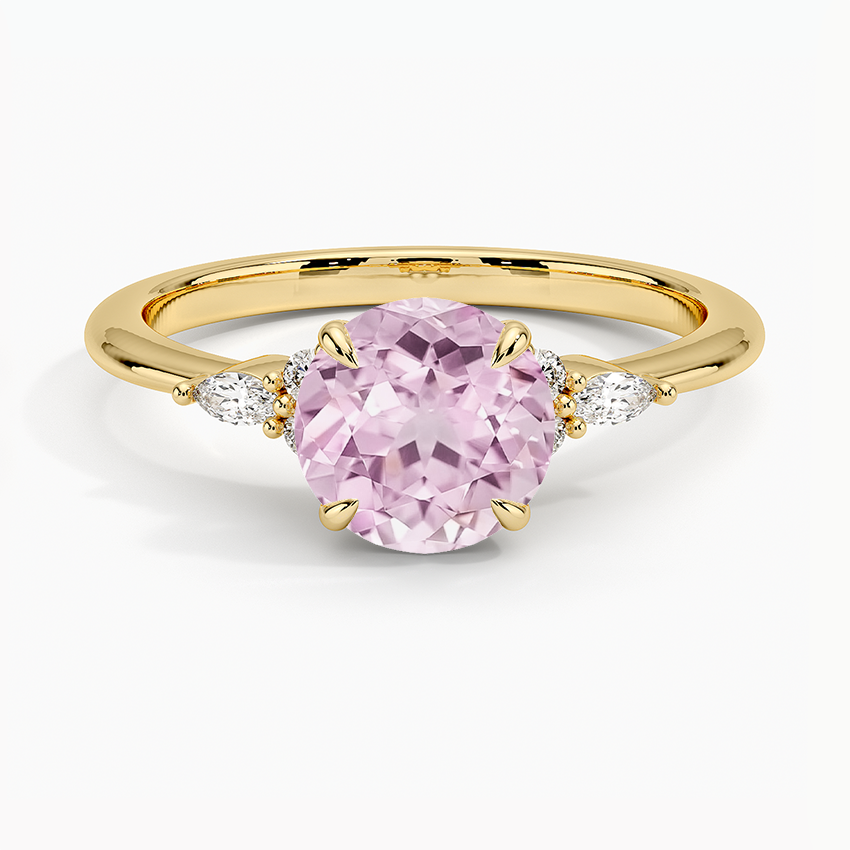
Nadia Lab Diamond Ring with Lab Grown Sapphire
Brilliant Earth · $2,280
Buyers who want sapphire color at a lower, lab-grown price point
What We Like
- Lab-grown sapphire at a fraction of natural sapphire prices
- Hand-engraved detailing included
Could Be Better
- Lab-grown origin must be disclosed and is not equivalent to a natural sapphire for resale/rarity purposes
Key Specs
A complete lab-grown sapphire ring at $2,280.
See price at Brilliant Earth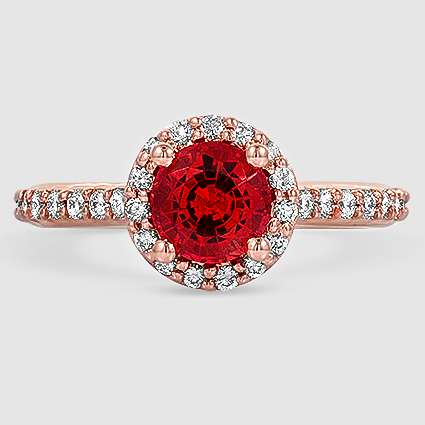
14K Rose Gold Halo with 6mm Round Lab Grown Ruby
Brilliant Earth · $2,650
Buyers who want a vibrant red center stone with a diamond halo
What We Like
- Lab-grown ruby is more durable for everyday wear per the merchant's own description
- Halo setting adds extra sparkle
Could Be Better
- Highest-priced Brilliant Earth colored-stone ring checked
Key Specs
A complete lab-grown ruby halo ring at $2,650.
See price at Brilliant Earth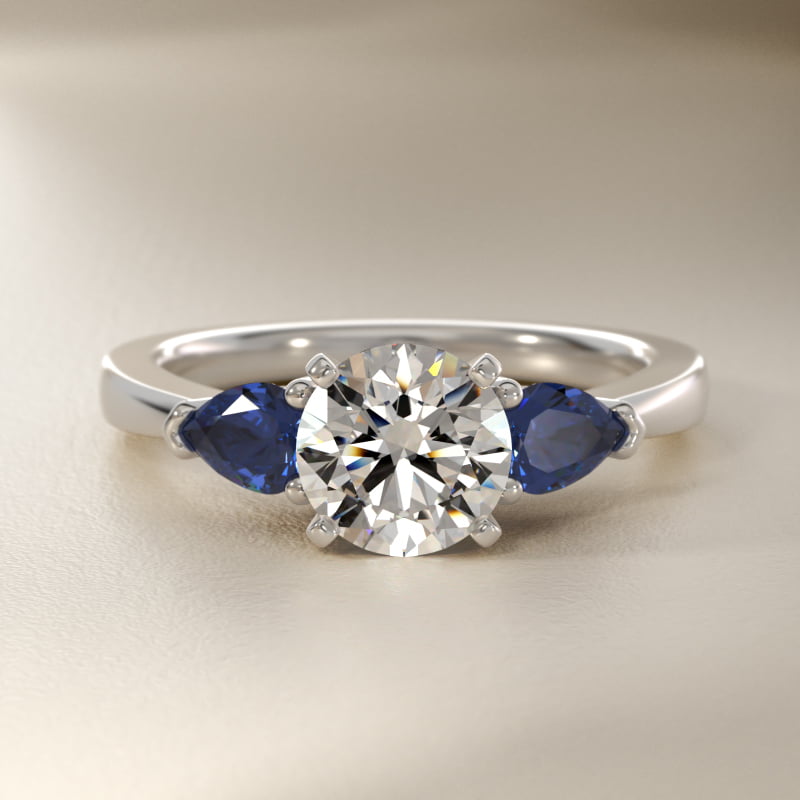
Classic Pear Shaped Sapphire Engagement Ring in 18k White Gold
Blue Nile · $2,108
Buyers who specifically want a natural, not lab-grown, colored gemstone
What We Like
- Natural sapphire at a comparable price to Brilliant Earth's lab-grown pieces
- 15% off listed price ($2,480 original)
- 5-star rating from 232 reviews
Could Be Better
- Setting includes the sapphire but pairing with a diamond accent band is separate
Key Specs
A natural sapphire ring priced close to Brilliant Earth's lab-grown options, at $2,108.
See price at Blue Nile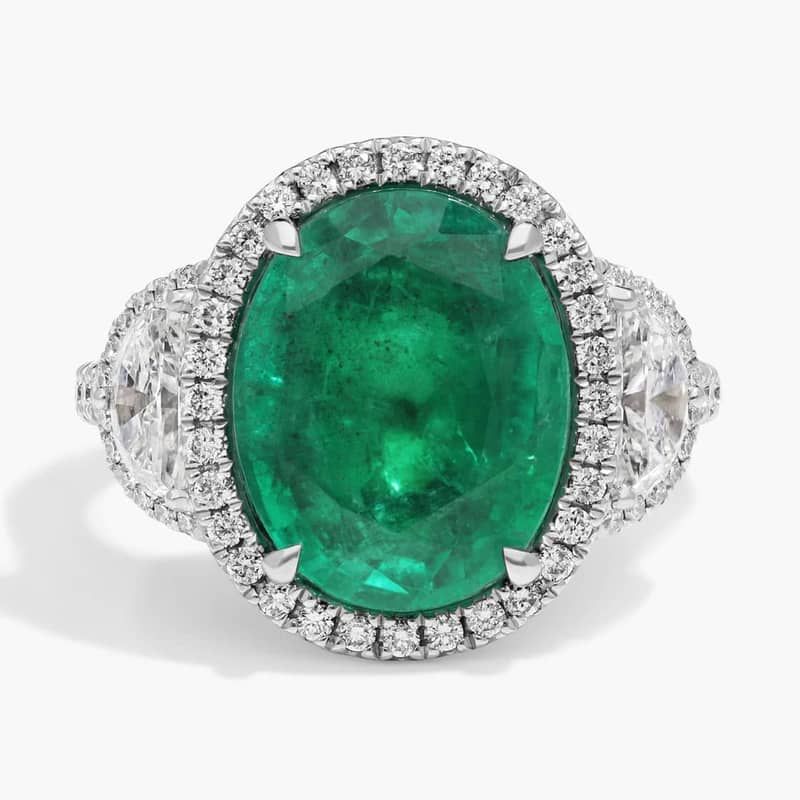
Oval Cut Emerald & Diamond Ring, 1.50 CTW Mixed Shape Diamonds, Platinum
Blue Nile · $21,610
Buyers with a much larger budget who want a natural emerald statement piece
What We Like
- Statement-piece natural emerald with substantial diamond accent weight
- Platinum setting
Could Be Better
- Roughly 8-10x the price of the lab-grown and entry natural colored-stone rings in this comparison
Key Specs
Shows how far natural colored-stone prices scale up versus lab-grown or entry natural pieces.
See price at Blue Nile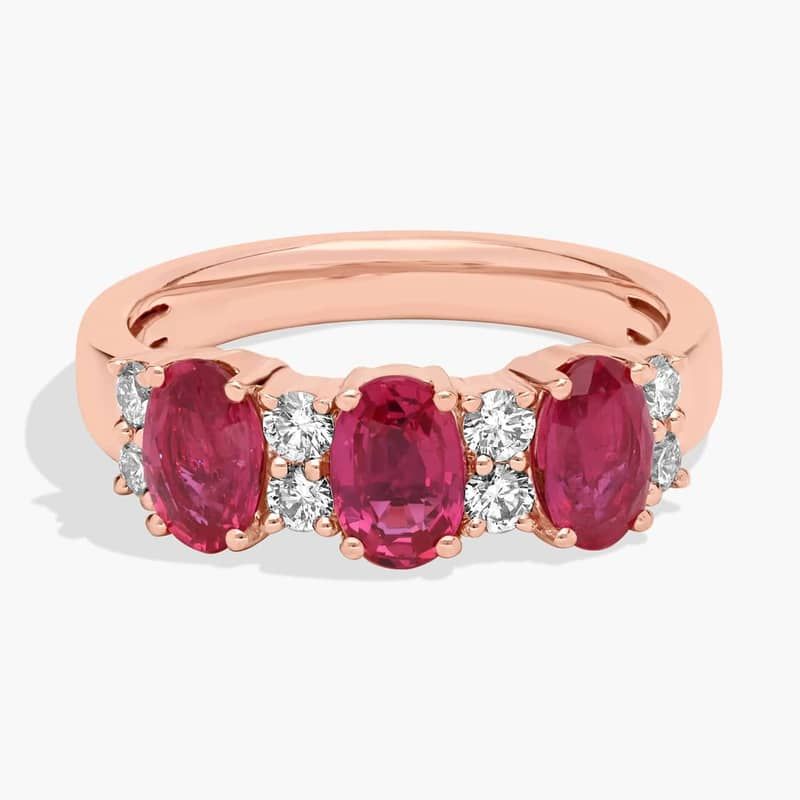
Ruby and Diamond Three-Stone Ring in 14k Rose Gold
Blue Nile · $2,900
Buyers who want a natural ruby in a three-stone design
What We Like
- Natural ruby three-stone design with diamond accents
- Available in rose or white gold
Could Be Better
- No discount listed at time of fetch
Key Specs
A natural ruby three-stone ring at $2,900, for comparison against Brilliant Earth's lab-grown ruby at $2,650.
See price at Blue NileProduct Comparison
| Product | Price | Rating | Reviews | Best For | Buy |
|---|---|---|---|---|---|
| Nadia Lab Diamond Ring with Lab Grown Sapphire Brilliant Earth | $2,280 | 4.5 | — | Buyers who want sapphire color at a lower, lab-grown price point | Brilliant Earth |
| 14K Rose Gold Halo with 6mm Round Lab Grown Ruby Brilliant Earth | $2,650 | 4.5 | — | Buyers who want a vibrant red center stone with a diamond halo | Brilliant Earth |
| Classic Pear Shaped Sapphire Engagement Ring in 18k White Gold Blue Nile | $2,108 | 5.0 | — | Buyers who specifically want a natural, not lab-grown, colored gemstone | Blue Nile |
| Oval Cut Emerald & Diamond Ring, 1.50 CTW Mixed Shape Diamonds, Platinum Blue Nile | $21,610 | 4.5 | — | Buyers with a much larger budget who want a natural emerald statement piece | Blue Nile |
| Ruby and Diamond Three-Stone Ring in 14k Rose Gold Blue Nile | $2,900 | 4.5 | — | Buyers who want a natural ruby in a three-stone design | Blue Nile |
More Reviews
Get price-drop alerts and new guides from Carat Candor
One email a week: price drops on the gear we recommend, new guides, and what changed. No spam, unsubscribe anytime.